BITING HANDS
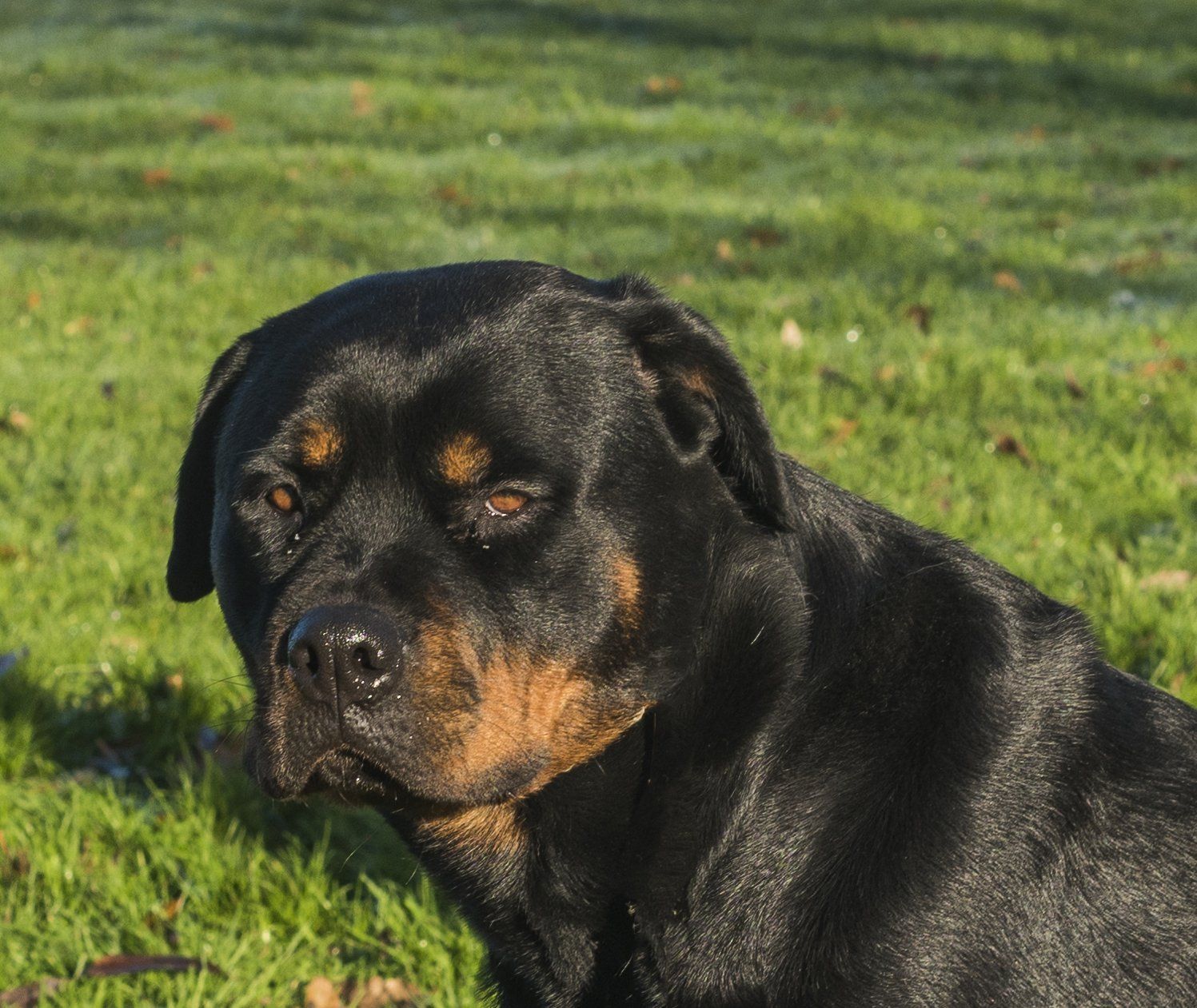
A puppy who is biting you or someone else in the family is doing so because he has not yet learned the rules of playing with humans. Your puppy has not accepted his subordinate position in your family. He may be acting aggressively but, in fact, he is not considered an aggressive, dangerous dog. At this point, he is just an obnoxious pup who desperately needs to be trained.
The first thing to realize is that a puppy will put everything and anything into his mouth. He expresses himself with his mouth. During teething time at age four to six months, he has a great need to mouth everything. There are ways to change this behavior.
During teething time provide things for him to chew on. For example, soak old wash rags in water, ring them out, and put them in the freezer. Whenever he has a need to chew on you or the furniture, give him one of these wash rags to work over. Provide a box filled with chew toys such as nylon bones or hard rubber balls.
It is best not to play games where your hand is near his mouth. If you do, however, train him not to bite when you are playing. As soon as he begins to apply any pressure to your hand, scream as loudly as you can. Startled, he will release and, as soon as he does, say, "Good Dog!" Continue to do this until you see him noticeably inhibit his bite. He will learn that skin is tender and that he can only press down very lightly during play. Be sure each member of your family follows this same procedure. Never play with gloves on your hand. He may bit down harder without your knowing it, and the next time you play with bare hands, you may get hurt.
It is not a good idea to have tug-of-war games with old socks because he will have to bite down very hard to hold on which retards the previous bite inhibition learning. This advice pertains also to any kind of stuffed animal. The reason for this is that a small child may walk in one day dragging a teddy bear, and your pup, seeing a stuffed animal, may grab it for his own and inadvertently grab fingers as well.
If your puppy is biting and pulling at your jeans, Then, give the command, "Sit," followed by, "Good Dog!" He will soon learn to approach you and immediately go into a sitting position. Of course, teaching him to sit is part of his obedience training program.
The first thing to realize is that a puppy will put everything and anything into his mouth. He expresses himself with his mouth. During teething time at age four to six months, he has a great need to mouth everything. There are ways to change this behavior.
During teething time provide things for him to chew on. For example, soak old wash rags in water, ring them out, and put them in the freezer. Whenever he has a need to chew on you or the furniture, give him one of these wash rags to work over. Provide a box filled with chew toys such as nylon bones or hard rubber balls.
It is best not to play games where your hand is near his mouth. If you do, however, train him not to bite when you are playing. As soon as he begins to apply any pressure to your hand, scream as loudly as you can. Startled, he will release and, as soon as he does, say, "Good Dog!" Continue to do this until you see him noticeably inhibit his bite. He will learn that skin is tender and that he can only press down very lightly during play. Be sure each member of your family follows this same procedure. Never play with gloves on your hand. He may bit down harder without your knowing it, and the next time you play with bare hands, you may get hurt.
It is not a good idea to have tug-of-war games with old socks because he will have to bite down very hard to hold on which retards the previous bite inhibition learning. This advice pertains also to any kind of stuffed animal. The reason for this is that a small child may walk in one day dragging a teddy bear, and your pup, seeing a stuffed animal, may grab it for his own and inadvertently grab fingers as well.
If your puppy is biting and pulling at your jeans, Then, give the command, "Sit," followed by, "Good Dog!" He will soon learn to approach you and immediately go into a sitting position. Of course, teaching him to sit is part of his obedience training program.
